
ICL (LENS IMPLANT) IN COPENHAGEN - GLASSES-FREE VISION FOR THOSE WITH HIGH PRESCRIPTIONS
Read about ICL lens implant, the surgery, and price at Copenhagen Eye Institute.
ICL
The procedure corrects vision.
This procedure is suitable for patients with high prescriptions, for whom traditional methods such as laser treatment are not optimal. The procedure is reversible, as the implanted lens can be removed if necessary.
The price includes a comprehensive pre-examination, a personalised treatment plan, the procedure, all follow-up appointments, and a treatment guarantee.
WHAT IS ICL?
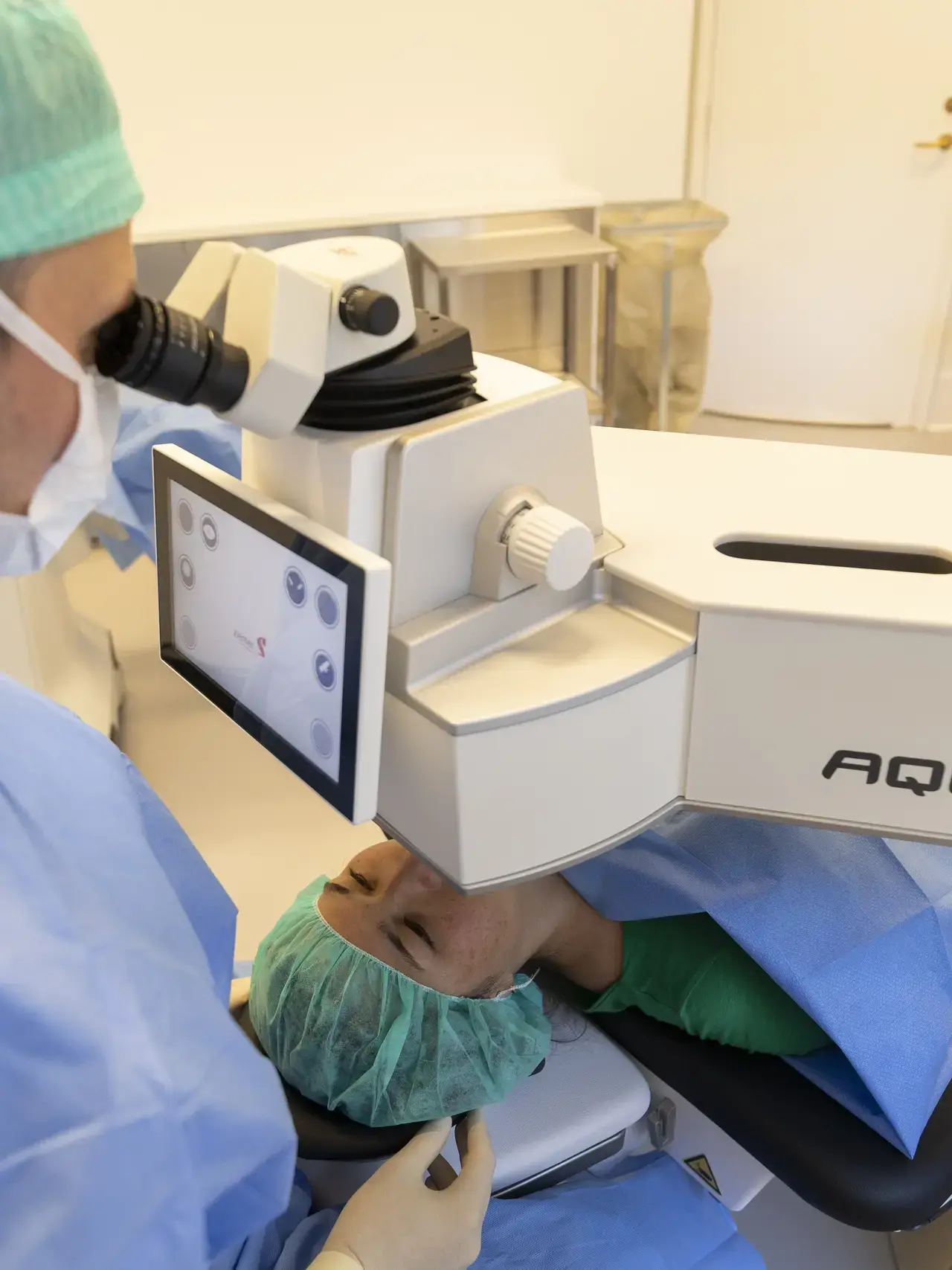
ICL stands for Implantable Collamer Lens, which is an implantable contact lens that serves as a powerful alternative to laser treatment. In ICL treatment, a permanent contact lens is inserted in front of the eye’s natural lens, correcting vision problems such as nearsightedness, farsightedness, and astigmatism. Unlike regular contact lenses, the ICL is neither visible nor noticeable, and it remains securely in place in the eye without being seen or felt.
TREATMENT OF REFRACTIVE ERRORS WITH ICL
ICL is ideal for people under the age of 45 who suffer from high visual defects, such as nearsightedness up to -18 diopters or farsightedness up to +10 diopters. The treatment is especially suitable for people who have thin corneas that are not suitable for laser treatment. The ICL lens is placed in the posterior chamber between the iris and the natural lens, where it works together with the body’s own lens to ensure proper light focus on the retina.
A major advantage of ICL treatment is that it provides permanent vision freedom and you will no longer need to wear glasses or contact lenses in everyday life. At the same time, the lens can be removed if you later develop presbyopia and need a trifocal lens.
HOW IS THE ICL TREATMENT PERFORMED?
Before treatment, you will undergo a thorough eye examination. All relevant eye parameters are measured to determine if ICL is the right treatment for you. We will also discuss the expected results and your personal situation.
Once the ICL treatment is selected, measurements will be taken of your eyes. You should avoid wearing contact lenses for one week (if you wear soft lenses) or two weeks (if you wear hard lenses) before the measurement, as the lenses can change the shape of the cornea. The measurement includes a vision test and pupil dilating drops are used to ensure accurate measurements.
The treatment is outpatient and lasts approximately 10 minutes per eye. The eye is dripped with anesthetic drops and the ICL lens is inserted through a small incision in the cornea with an injector. The lens is very soft and can be folded, making insertion quick and gentle.
After treatment, it is important not to rub your eyes. You will be given antibiotic and moisturizing eye drops for a period of time. Work can be resumed after 2-4 days, depending on what you do. Sports activities can be resumed after about 3 days, but swimming and sauna should be avoided at first.
Follow-up check-ups take place one day and six weeks after the operation at the eye clinic in Copenhagen K.
AFTER THE ICL TREATMENT
In the first few days after treatment, you will experience an improvement in your vision and you can return to your daily activities within a few days. After treatment, follow the eye drop guidelines and avoid rubbing your eyes to ensure fast and proper healing. Follow-up checks will be carried out to ensure that everything is progressing as expected.
PRICES & PAYMENT
The price includes a preliminary examination, an individualized treatment plan, surgery, all follow-up visits, and a lifetime treatment guarantee.
HEALTH INSURANCE
Most private health insurance providers in Denmark offer coverage or partial reimbursement for eye specialist consultations and treatments as part of their health plans. It is important that you contact your insurance company before your visit to confirm that they cover the service.
INSTALLMENT PAYMENTS
With a Health+ Credit, you can split the payment of your treatment into smaller, manageable installments without any hassle.

ICL (Implantable Collamer Lens) på Copenhagen Eye Institute
For patients who are not suitable candidates for laser surgery or who simply want the most advanced solution on the market, the ICL (Implantable Collamer Lens) is a safe, reversible, and highly precise alternative for correcting nearsightedness, farsightedness, and astigmatism. At the Copenhagen Eye Institute, ICL surgery is not just one procedure among many that we offer. It is one of our core surgical specialties, performed with a level of experience and precision rarely found in Denmark.
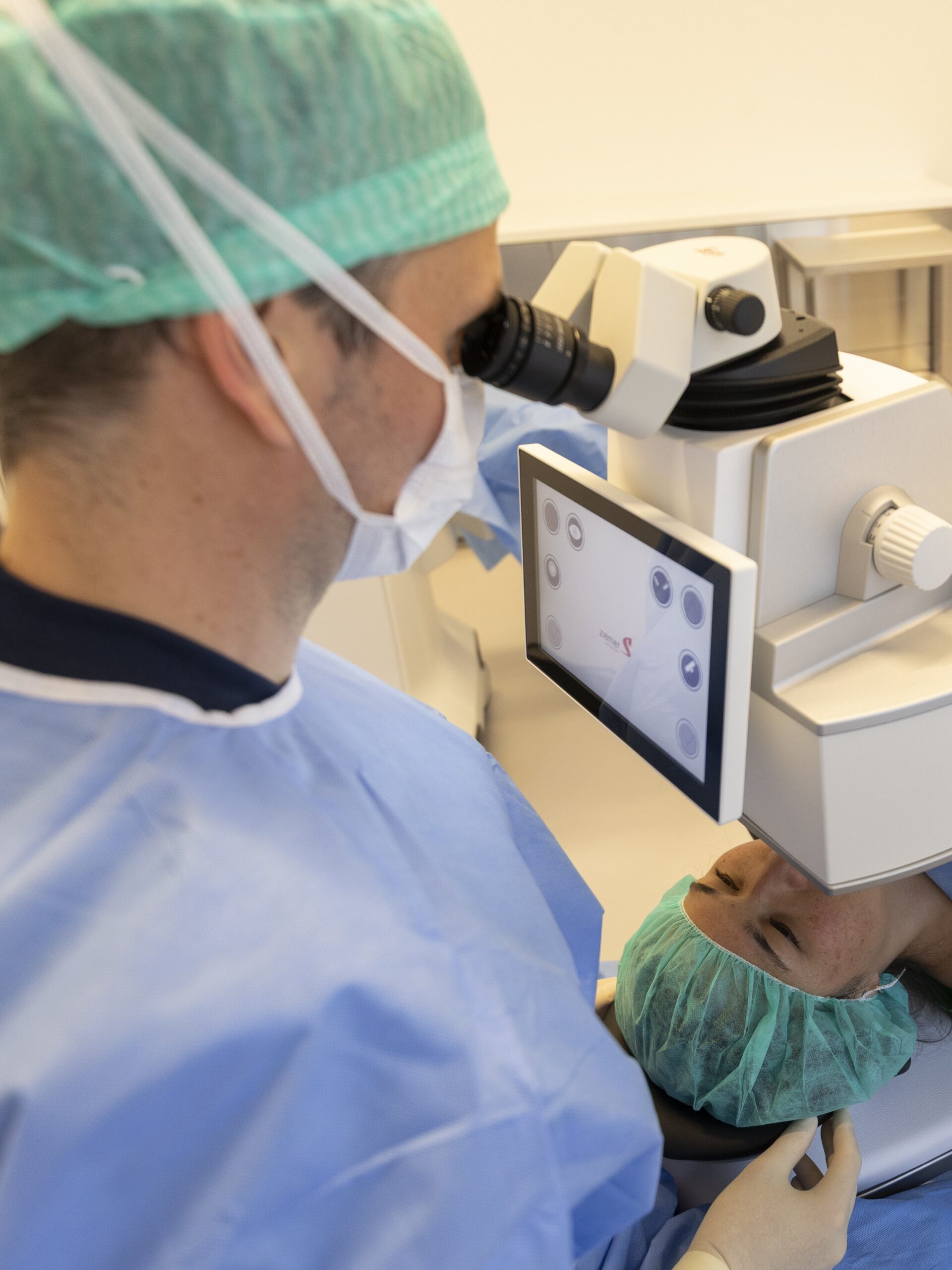
Denmark's leading center for ICL surgery
The Copenhagen Eye Institute is currently the only clinic in Denmark that routinely and continuously performs ICL implantation. While other clinics may offer the procedure occasionally, ICL surgery is part of our daily practice, which means that our team, our protocols, and our surgical outcomes benefit from extensive experience that can only be gained through consistent work with a large number of procedures using this technology. Patients travel to us from all over Denmark and, increasingly, from neighboring countries, specifically to undergo ICL treatment.

STAAR-Certified Expertise
The ICL lens is manufactured by STAAR Surgical in California, and safe and effective implantation requires specialized training that goes far beyond the standard skills required for cataract or refractive surgery. Our lead surgeon, Dr. Javier Cabrerizo, belongs to a select group of ophthalmic surgeons worldwide who have earned official ICL certification directly from STAAR Surgical, completed in California. This certification reflects thorough, hands-on training in lens selection, surgical technique, and the management of complications specific to the ICL—a distinction that very few surgeons in the Nordic region have achieved.

A proprietary protocol for lens fitting
The most important factor for a successful ICL outcome is determining the correct lens size and height, as well as the precise distance between the implanted lens and the eye’s natural lens. At the Copenhagen Eye Institute, we have developed our own in-house protocol for lens sizing and fitting, based on many years of clinical data and refined through ongoing evaluation of results. Instead of relying on a single formula, we use the most advanced sizing calculations available today and cross-check them with our own clinical experience to find the ideal lens for each individual eye. This meticulous, data-driven approach is essential to ensuring that our patients consistently achieve excellent visual outcomes with minimal need for lens replacement.

Always the latest technology: ICL EVO+
We use exclusively ICL EVO+. This is the latest generation of implantable Collamer lenses, equipped with STAAR’s proprietary EVO-port technology, which ensures improved night vision and a more natural flow of fluid within the eye. We do not use older generations of lenses. All patients treated at our clinic receive the latest lens technology available on the market today.
THIS IS WHAT OUR PATIENTS SAY
Fanny27 september 2026 I had a really positive experience at the clinic: the staff is incredibly nice and makes you immediately feel comfortable, while being very professional and efficient. The clinic is modern and well organized, with a relaxed vibe that matches the elegant aesthetic. Truly recommend if you want to mix high quality service and a welcoming atmosphere!Martin24 september 2026Thoroughly knowledgeable people. It's nice when the people who will operate on you eyeballs know what they are doing. On top, I've been treated with kindness.Mette17 september 2026God opfølgning og forklaring. Hjælper mig med en second opinion.Tiana15 september 2026Dr. Javier Cabrerizo and his team provided me with the best medical care of any kind that I have experienced since moving to Copenhagen. Nurse Jutta Tuisku-Salo guided me through each of the necessary examinations with great care and professionalism, while Kari Postma made the billing process fast and easy. Dr. Cabrerizo is highly skilled, compassionate, and dedicated to his patients and his craft. I am most grateful to have him as my ophthalmologist and feel fortunate to have received care from such an outstanding team. Anyone in Copenhagen or beyond who needs expert eye care would be very well served by the Copenhagen Eye Institute. I highly recommend Dr. Cabrerizo and his entire team.Birte11 august 2026Venlig og lyttende kommunikation Hurtig og effektiv afvikling af undersøgelseShirley6 august 2026Beautiful rooms, excellent service and really warm, professional staff. Successful cataract operation ... quick, painless, excellent results! Highly recommended.Oliver6 august 2026Rendez vous obtenu tres rapidement. Equipe tres professionnelle et a l'écoute.
For us, it is not only about your vision, but about creating a sense of security, trust, and an experience where you feel seen and valued from start to finish.
CERTIFICATIONS
Copenhagen Eye Institute is a specialized eye clinic focusing on eye diseases and eye surgery. We are certified to perform both clinical treatments and advanced surgical procedures.
PATIENT STORY
Find out how lens surgery improved our patient’s quality of life. Glasses and contact lenses were a challenge for his daily activities, but after the eye surgery, he can now play padel and watch TV completely without glasses and contact lenses.
Experience You Can Count On
- Denmark’s only clinic that performs routine ICL procedures on a large scale
- A surgeon certified directly by STAAR Surgical in California
- A proprietary, data-driven protocol for determining lens size and fit
- Exclusive use of the latest generation of ICL EVO+ lenses
SEE ALSO
That’s how easy it is to get started at Copenhagen Eye Institute
Questions about ICL treatment
How long does a lens implant last?
A lens implant usually lasts a lifetime as it is made of a material that does not degrade or wear out over time. However, vision can change with age for other reasons.
What is ICL?
ICL is a type of lens implant that is placed inside the eye in front of the natural lens to correct visual defects such as nearsightedness, farsightedness and astigmatism. It is suitable for people who cannot have laser treatment and can be removed again if necessary.
Are lens implants dangerous?
A lens implant is generally not dangerous and is considered a safe treatment, but as with any surgery, there is a small risk of complications such as infection, increased eye pressure, retinal detachment or cataracts. However, most people get a good and stable result without any problems.

Take the first step: Book an eye specialist consultation
Are you wondering if ICL surgery is right for you? Let us examine your eyes and give you a professional answer. At the Copenhagen Eye Institute in Copenhagen K, we have short wait times, and you can often get an appointment with an ophthalmologist as early as the same week.

Eye doctor in Copenhagen K
Copenhagen Eye Institute is an eye clinic in Copenhagen with short waiting times and specialized treatment.