
Treatments · Lens Types
Lens types
From monofocal to multifocal: find the intraocular lens that fits your lifestyle.
During refractive lens exchange (RLE) or cataract surgery, your eye’s natural lens is replaced with an artificial intraocular lens (IOL). The type of lens you select determines how clearly you see at distance, intermediate, and near ranges, as well as how dependent you will remain on glasses afterward.
Monofocal · Monofocal Plus · EDOF · Multifocal
I
Four Types of Lenses
Two standard/plus lenses and two premium lenses. The primary difference is how close you can see clearly without glasses.
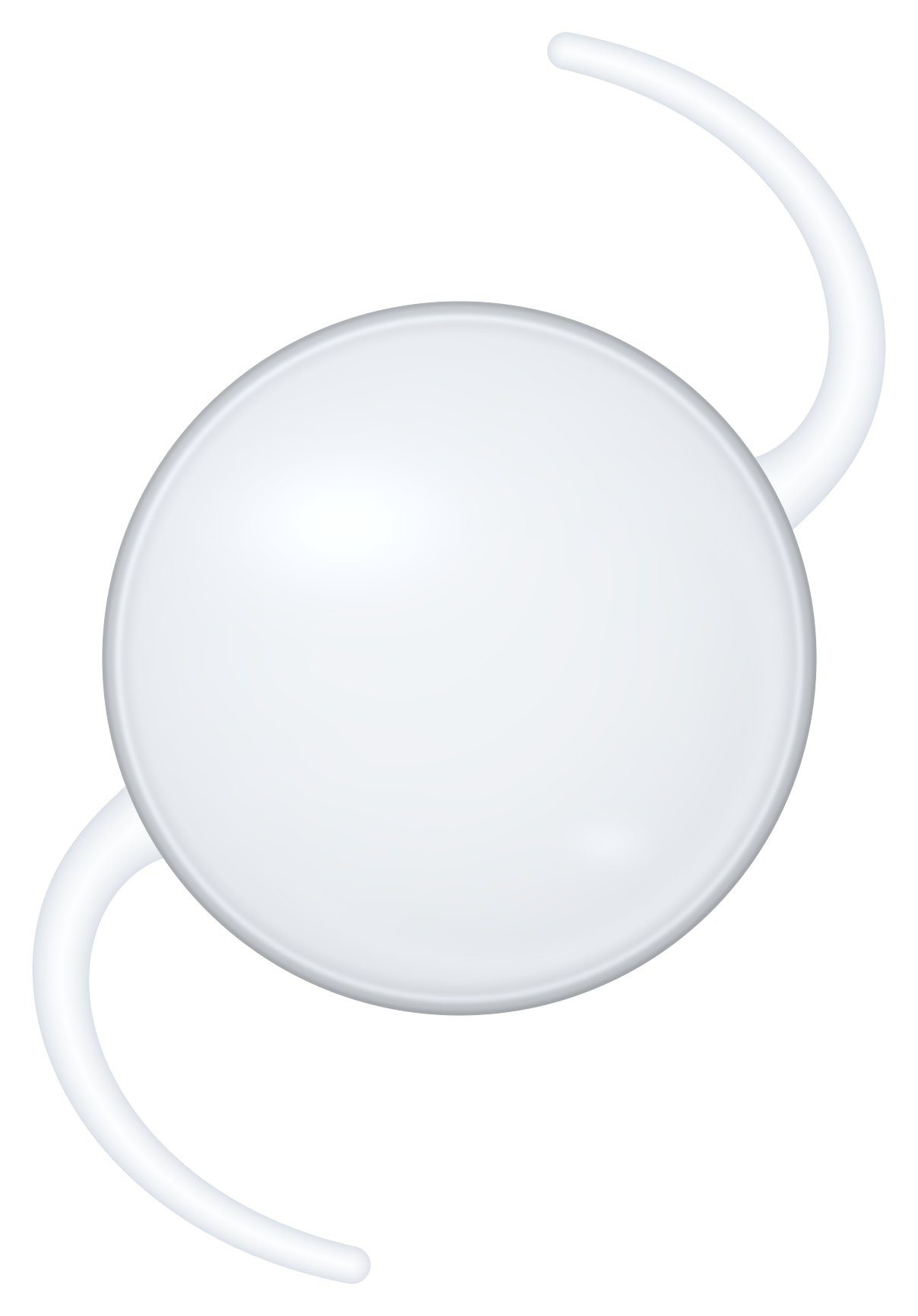
Plus lens
Monofocal Lens
2–3 m
Sharp distance vision.
Plus lens
Monofocal Plus
1–2 m
Sharp distance vision with improved intermediate focus.
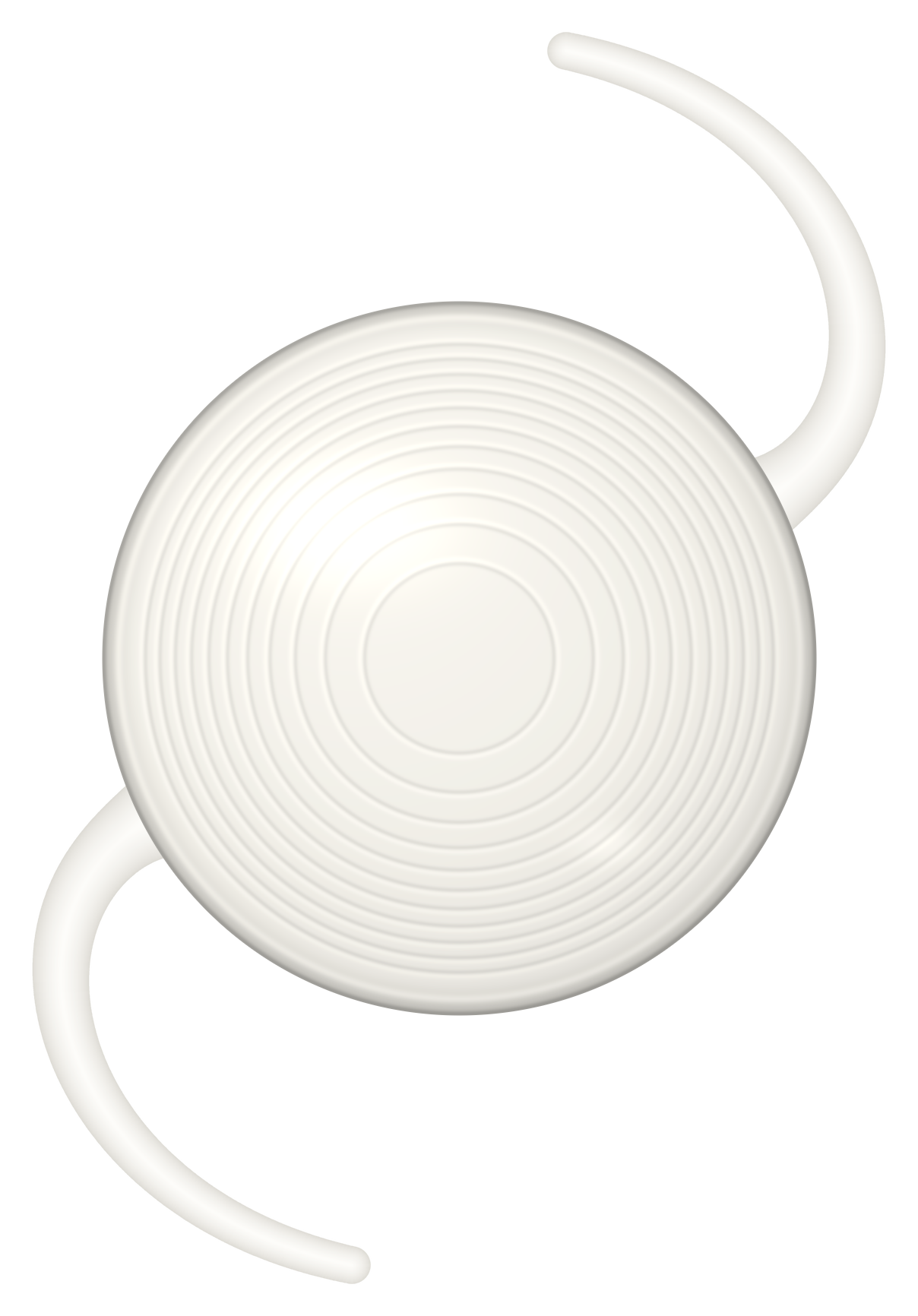
Premium lens
EDOF Lens
0,5–1 m
Sharp distance and intermediate vision.
Premium lens
Multifocal Lens
40 cm
Sharp distance, intermediate, and near vision.
II
Compare Lens Types
How clearly do you see without glasses with each lens type?
Near · 40 cm
0,5–1 m
1–2 m
Far · 2 m +
Monofocal
Monofocal Plus
EDOF
Multifocal
The black line shows where you typically see clearly without glasses.
Lens
Category
Distance Vision
Intermediate Vision
Near Vision
Halos / Glare at Night
Monofocal
Category
Plus lens
Distance Vision
Yes
Intermediate Vision
No
Near Vision
No
Halos / Glare at Night
Rare
Monofocal Plus
Category
Plus lens
Distance Vision
Yes
Intermediate Vision
Partial
Near Vision
No
Halos / Glare at Night
Rare
EDOF
Category
Premium lens
Distance Vision
Yes
Intermediate Vision
Yes
Near Vision
Partial
Halos / Glare at Night
Few
Multifocal
Category
Premium lens
Distance Vision
Yes
Intermediate Vision
Yes
Near Vision
Yes
Halos / Glare at Night
May occur
III
Monofocal, EDOF, and Multifocal Lenses

Plus Lens · 2–3 m
Monofocal Lens
A monofocal lens has a single fixed focal length and corrects vision at either distance or near. Most patients choose to optimize their distance vision and rely on reading glasses for close-up tasks. This lens provides stable and clear optical quality.
Also available in a toric version to correct astigmatism, or used in a monovision setup (where one eye is targeted for distance and the other for near).

Plus Lens · 1–2 m
Monofocal Plus
Monofocal Plus is an advanced iteration of the traditional monofocal lens, offering an extended depth of field. It improves clarity at intermediate distances (e.g., cooking or viewing dashboard instruments) while keeping distance vision sharp. Ideal for patients seeking greater flexibility with reduced reliance on glasses.

Premium Lens · 0.5–1 m
EDOF Lens
EDOF lenses provide an extended depth of focus and smooth visual transitions from intermediate to long distances. Unlike traditional multifocal lenses, they minimize the risk of light halos and glare, making them particularly comfortable for nighttime driving and computer work. Ideal for patients who want minimal dependence on glasses combined with high optical contrast.

Premium Lens · 40 cm
Multifocal Lens
A multifocal lens integrates multiple focal points into a single lens to provide clear vision across near, intermediate, and far distances. It simultaneously corrects presbyopia (age-related reading vision loss) and astigmatism. Also referred to as trifocal lenses because they feature three primary focal points, multifocal lenses offer the highest degree of independence from glasses.

IV
Which lens is right for you?
We determine the optimal lens option together during your preliminary examination by evaluating:
What do you use your eyes for most?
Reading, working on screens, night driving, or sports place different functional demands on your vision.
Do you drive frequently at night?
If so, sensitivity to halos and glare will play a key role in selecting your lens type.
How important is complete freedom from glasses?
Some patients prefer to eliminate reading glasses entirely, while others prioritize maximum visual contrast at long distance.

V
Treatments Utilizing Artificial Lenses

Typically over 45 years
The natural lens of the eye is replaced with an artificial intraocular lens that corrects both standard refractive errors and presbyopia.

In cases of cataracts
The cloudy natural lens is removed and replaced with a clear artificial lens to restore visual clarity.
VI
Frequently Asked Questions About Lens Types
What is the difference between a monofocal and a multifocal lens?
A monofocal lens has one focal point, providing sharp vision at a single distance (typically far distance), meaning you will still need reading glasses for near tasks. A multifocal lens has multiple focal points to provide clear vision at near, intermediate, and far distances, giving you the greatest freedom from glasses.
What are multifocal lenses?
Multifocal lenses are artificial lenses with multiple powers, also known as multifocal lenses. They provide sharp vision at close, intermediate, and far distances, allowing you to read, use a screen, and see things in the distance without glasses. They are used during lens replacement and cataract surgery.
What is an EDOF lens?
EDOF stands for Extended Depth of Focus. This lens provides clear, sharp vision from intermediate to long distances with fewer halos than a multifocal lens. You may need glasses for close-up reading.
What is the difference between bifocal and trifocal lenses?
A bifocal lens has two focal points, typically for far and near distances. A trifocal lens has three: far, intermediate, and near, so you can also see clearly on a computer screen, for example. The multifocal lenses we use are trifocal.
Which lens is best after cataract surgery?
It depends on what you use your eyes for. If you want clear distance vision and don’t mind wearing reading glasses, a monofocal lens is a good choice. If you’d prefer to avoid glasses, an EDOF or multifocal lens might be better. During the initial consultation, we’ll determine which lens is right for you.
Can intraocular lenses also correct astigmatism?
Yes. The lenses are available in a toric version that corrects astigmatism. During the initial examination, we’ll determine whether you need a toric lens.
Why do the different lens options vary in price?
Plus lenses (monofocal and Monofocal Plus) and premium lenses (EDOF and multifocal) each have their own price. Premium lenses are more expensive because they are more advanced and offer greater freedom from glasses. You can view the prices on the pages about lens replacement and cataracts.
Find the Lens That Fits Your Life
The preliminary examination is free and non-binding.