
Pterygium - Conjunctival fold surgery
Read about pterygium, the surgery, and price at an eye doctor in central Copenhagen.
Pterygium surgery
Removal of the conjunctival tissue to prevent vision impairment while also improving the cosmetic appearance of the eye.
14,000 DKK per eye
The procedure is quick and effective, and many people experience both better vision and a more aesthetically pleasing result after treatment.
What is pterygium?
Pterygium is a benign growth in the conjunctiva of the eye, often seen as a reddish, triangular-shaped patch in the white of the eye (sclera). It is a form of fatty tissue that typically grows from the inner corner of the eye and can extend over the cornea.
Although not dangerous, pterygium can be cosmetically bothersome and cause discomfort such as dryness, burning and itching. In more advanced cases, it can affect vision, especially if the tissue moves over the pupil and causes astigmatism. Pterygium does not go away on its own and in some cases may require surgical removal.
The Copenhagen Eye Institute has extensive experience with corneal surface treatments. We also offer diamond drilling services.
Treatment of pterygium
Treatment depends on how bothersome the pterygium is and whether it affects vision:
- Mild cases are usually not treated surgically. Symptoms such as burning, itching and redness can be relieved with lubricating eye drops or over-the-counter eye ointment.
- For inflammatory conditions, your ophthalmologist may prescribe prescription eye drops to reduce irritation and inflammation.
- If the pterygium grows over the cornea and risks impairing vision, the ophthalmologist will assess the need for surgery.
Surgical removal is effective, but it is not uncommon for pterygium to return after surgery.
How does pterygium surgery work?
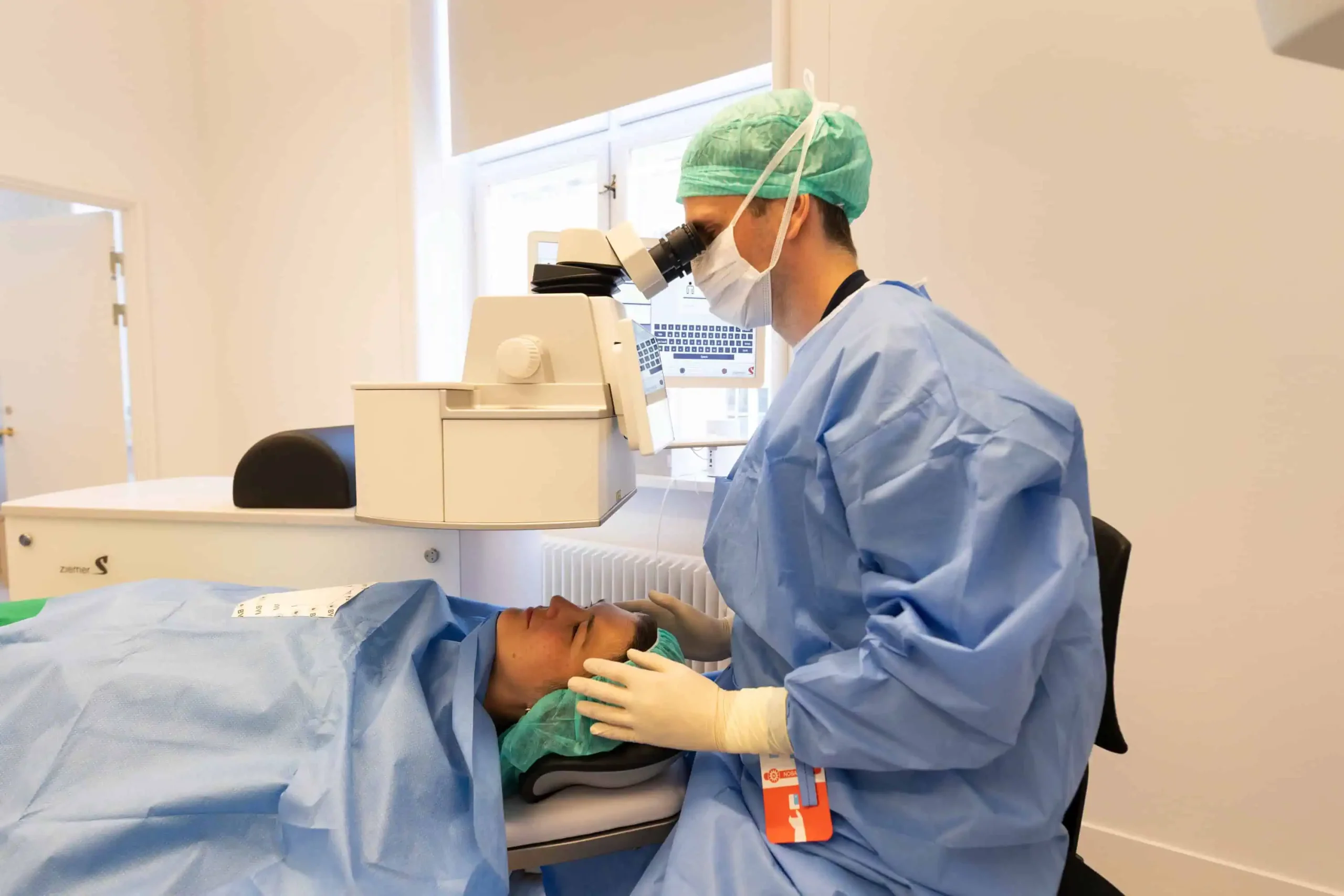
Before any surgery, the ophthalmologist will perform a thorough examination with a slit-lamp microscope to assess the extent and location of the growth. If deemed necessary, an outpatient surgery is planned to remove the pterygium from the surface of the eye. In many cases, a technique is used where a small piece of healthy conjunctiva is transplanted to the area where the pterygium was removed, reducing the risk of it returning.
The surgery is typically performed under local anesthesia and lasts about 30 minutes. The patient can go home the same day.
After the pterygium surgery
After surgery, the eye will typically be red and slightly irritated for a few days. You should use antibiotic and anti-inflammatory eye drops as prescribed by your ophthalmologist.
It is important not to rub your eye after surgery and you should avoid dusty environments and strong sunlight for a while. Most patients can resume normal activities within a few days, but physically strenuous activities should wait a little longer.
Follow-up checks are necessary to ensure proper healing and to reduce the risk of relapse.
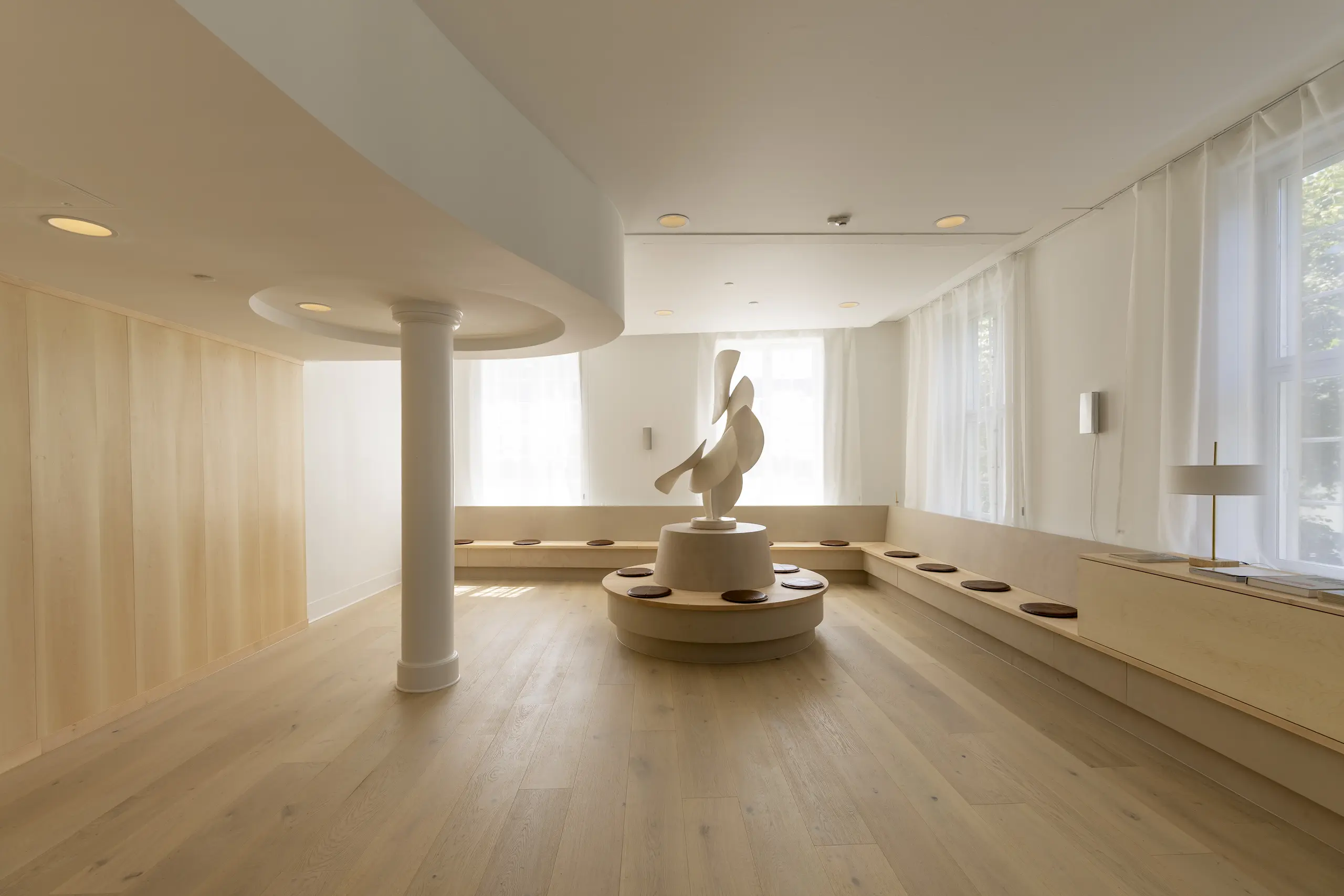
Eye doctor in Copenhagen K
Copenhagen Eye Institute is an eye clinic in Copenhagen with short waiting times and specialized treatment.
Questions about pterygium
What causes pterygium?
Pterygium is most often caused by prolonged exposure to sunlight, especially UV rays, as well as wind, dust and dry environments. It is more common in people who spend a lot of time outdoors without eye protection.
Treatment of pterygium?
Treatment for pterygium can be surgical if it affects vision or causes irritation. In milder cases, eye drops or ointments can relieve symptoms. If the pterygium grows or becomes bothersome, surgery can remove the tissue and prevent it from coming back.
Can pterygium cause blindness?
Pterygium rarely causes blindness, but if it grows large enough and covers the central part of the cornea, it can impair vision. In the worst case scenario, it can lead to vision loss if left untreated.