Stye: How to Get Rid of Eye Inflammation
A Brief Introduction to Styes
- A stye appears as a small, red, and tender swelling on the eyelid
- It can be located on the inner or outer side of the eyelid
- Often resolves on its own without affecting vision
- It is sometimes treated with antibiotic ointment if there is a risk of infection
- Is not contagious and cannot always be prevented
- Good eye hygiene and avoiding rubbing your eyes can help
What is Stye?
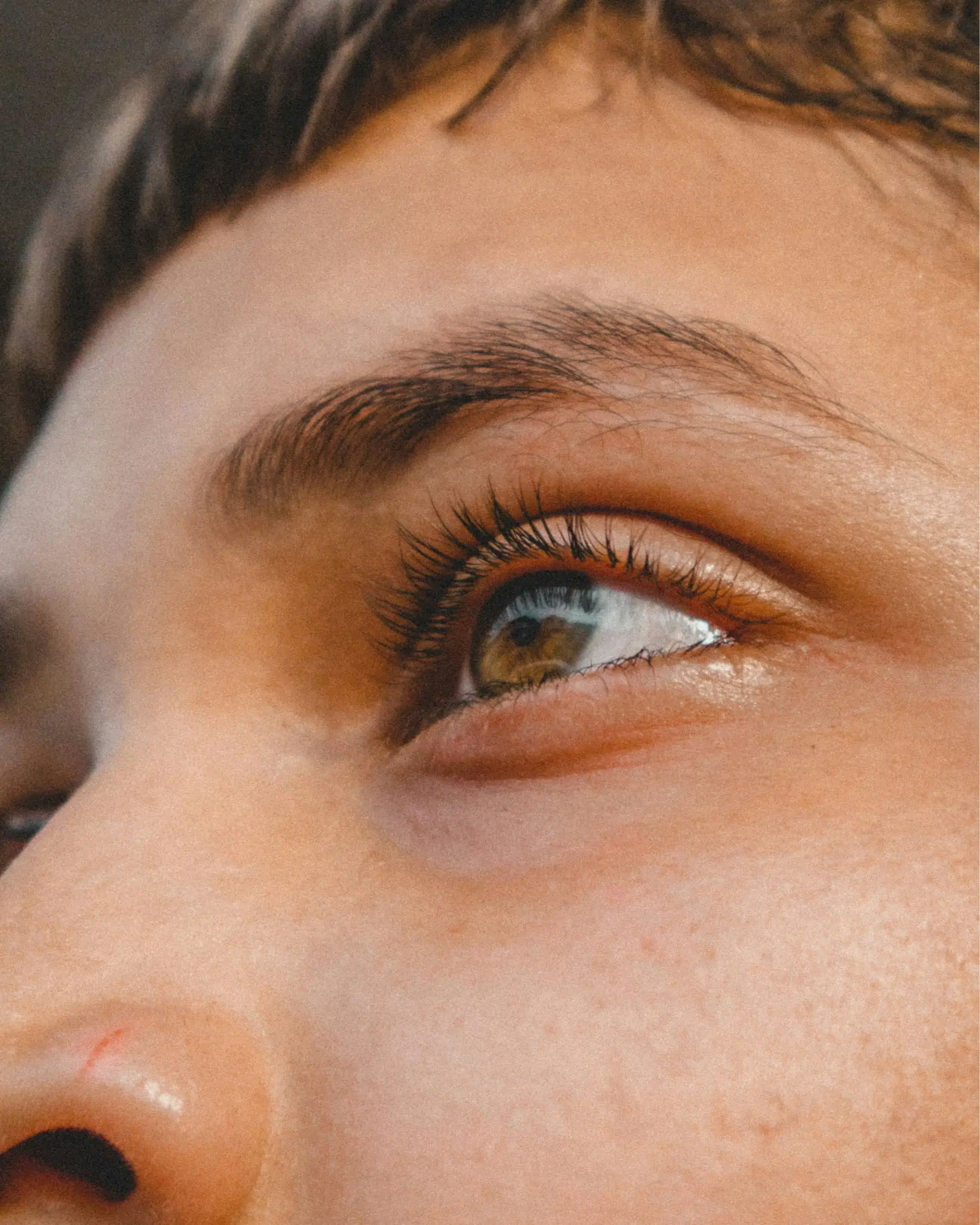
A stye, or hordeolum, is a localized inflammation of a hair follicle or sebaceous gland on the eyelid. It appears as a small, red, and tender swelling that can occur at the outer edge of the eyelashes (external stye) or on the inside of the eyelid (internal stye).
The condition is benign and does not usually affect vision, but it can be bothersome and tender to the touch. A stye occurs when the glands in the eyelid become blocked, preventing oils from flowing out freely. This can lead to irritation and local inflammation. In some cases, bacteria can worsen the condition and cause an infection, but styes are not contagious from person to person.
Although styes can be uncomfortable, they usually resolve on their own within 1–2 weeks. Treatment often involves good eye hygiene, warm compresses, and, if there is a risk of infection, antibiotic ointment.
What causes a stye?
A stye occurs when a sebaceous gland or hair follicle becomes blocked, preventing the oils from flowing out freely. This can lead to irritation and inflammation, and sometimes bacteria can make the condition worse.
Anyone can get a stye, but people with blepharitis or certain skin conditions may experience them more frequently.
Symptoms of a Stye
The most common symptoms are:
- Redness and swelling of the eyelid
- Tenderness or pain when touched
- A small lump on the eyelid
- If an infection occurs, the swelling may worsen, and pus may develop.
Diagnosis
A stye is usually diagnosed through a simple eye exam. The doctor examines the eyelid and assesses the swelling and symptoms. Further tests are rarely necessary. If there is a risk of infection, the doctor may prescribe antibiotic ointment or eye drops. In rare cases, an ophthalmologist may lance the stye to drain the pus.
Treatment
Most styes go away on their own. There are some steps you can take to relieve the discomfort:
- Good Eye and Hand Hygiene
- Avoid rubbing your eyes
- Apply a warm compress to relieve discomfort
Progression and Recurrence
A stye usually disappears within 1–2 weeks. Some people may experience styes repeatedly, but the treatment and outlook remain the same each time.
When should you see an eye doctor?
Contact an ophthalmologist if:
- The swelling becomes very painful
- Pus or a severe infection develops
- The stye doesn’t go away even after a long time
- You often get styes
Early assessment ensures the best treatment and minimizes discomfort.

SEE ALSO