
The most Common Eye Diseases in Denmark
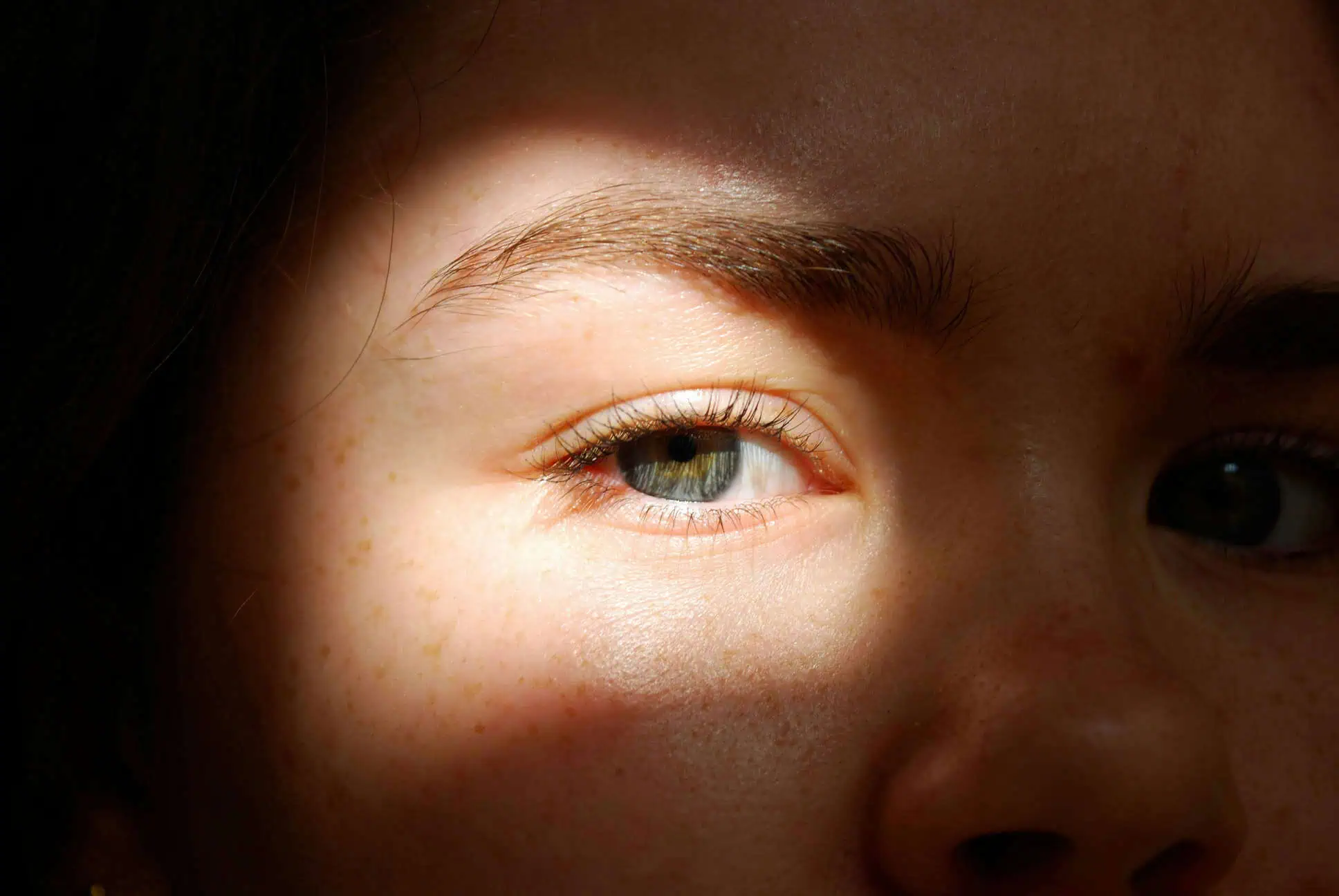
Vision is one of our most important senses. That’s why even small changes in the eyes can cause concern. Many people experience changes in vision with age, but sometimes these are actual eye diseases that require treatment.
Here’s an overview of three of the most common eye diseases in Denmark and what to look out for.
Cataract
What is cataract?
Cataracts occur when the lens of the eye becomes cloudy, blurring vision. The clouding can range from mild to severe and can cause nearsightedness or double vision.
What are the symptoms of cataract?
Cataracts typically cause reduced vision, glare problems in the dark and double vision that doesn’t go away by covering one eye. Symptoms can develop gradually or rapidly and often affect both eyes over time, but cause no pain or irritation.
Why do you get cataract?
Cataracts are often caused by aging, but can also be caused by eye diseases, injuries, medication, diabetes, radiation or inflammation. In rare cases, it is congenital or due to maternal diseases during pregnancy.
Are cataract hereditary?
Congenital cataracts are rare. In some cases, this can be genetic and run in the family.
How are cataract treated?
Cataract are treated with surgery.
When do you need surgery?
Surgery is recommended when the discomfort affects everyday life and the risk is considered low. A clear plastic lens replaces the cloudy lens.
Lens selection:
- Monofocal lenses: Standard in public hospitals, provide good distance vision but require reading glasses.
- Toric lenses: Corrects major astigmatism.
- Bi-/trifocal lenses: Enables glasses-free vision at all distances.
How do I prevent cataract?
Cataract can’t be prevented, but you can reduce the risk with a healthy lifestyle and treatment of diseases such as diabetes.
At Copenhagen Eye Institute, you’ll get personal guidance on which surgery and lens type is best for you and your lifestyle.
Glaucoma
What is glaucoma?
Glaucoma is an eye disease that damages the optic nerve, often due to high or sensitive eye pressure. It comes in a chronic, insidious form and a rarer acute form where the pressure rises dramatically and can quickly damage vision.
What are the symptoms of glaucoma?
Glaucoma rarely causes symptoms at first, but can lead to narrow vision (binocular vision) in late stages. The brain often fills in vision loss, making the disease difficult to detect early.
Who gets it and why?
Approximately 75,000 Danes live with glaucoma, but it is estimated that only half have been diagnosed (Øjenforeningen, 2025)
- Heredity: Glaucoma is more common in families with the disease.
- Age: The risk increases with age.
- Diseases: Diabetes, high blood pressure or low blood pressure can increase the risk.
- Eye injuries
Is glaucoma hereditary?
Yes, glaucoma can be hereditary. The risk of developing glaucoma is higher if the disease runs in the family.
How are glaucoma treated?
Treatment lowers eye pressure with medication (eye drops or tablets), laser or surgery. Laser can create a hole in the iris or improve the drainage of eye fluid. Surgery is used if other treatments are not sufficient.
How do I prevent glaucoma?
If you have a high risk of developing glaucoma due to factors such as diabetes, family history or age, it’s important to have your eyes examined once a year by an eye doctor.
AMD (Age-related Macular Degeneration)
What is AMD?
AMD (Age-related Macular Degeneration) is an eye disease that affects the central part of the retina, called the macula, and can lead to loss of sharp vision. It is one of the most common causes of vision loss in older people.
There are two types of AMD:
- Dry AMD: The more common form where the macula gradually becomes thinner, resulting in slow vision loss.
- Wet AMD: A rarer and more severe form where abnormal blood vessels form under the macula, which can lead to faster and more severe vision loss.
Symptoms include blurred vision, distortion of straight lines and difficulty reading or recognizing faces.
What are the symptoms of AMD?
Visual impairment that cannot be corrected with glasses is most often experienced at short distances, but can also be troublesome at longer distances. However, visual impairment typically feels less troublesome when looking at longer distances, such as when viewing a landscape. Shape distortion means that straight lines curve or undulate, or objects are resized to appear larger or smaller. There may also be a grayish or fuzzy spot in the center of the visual field. Color perception may change so that colors appear different.
Who gets it and why?
Today, around 50,000 Danes live with the eye disease AMD (Øjenforeningen, 2025).
AMD is caused by age-related deterioration of the retina, where the membrane associated with the pigment cells in the retina gradually becomes damaged. The disease typically occurs in people in their 50s and 60s, and smoking can increase the risk of developing the disease.
Is AMD hereditary?
Yes, AMD can be hereditary. Genetic factors play a role in the development of the disease. However, age and lifestyle also play a major role.
Do you have any questions?
Do you experience vision changes such as blurred vision, light sensitivity or other everyday discomfort? Or do you have a family history of eye diseases and are unsure about your risk?
After reading about the most common eye diseases in Denmark, you may be left with more questions. At Copenhagen Eye Institute, we are ready to help you with thorough eye examinations, modern treatment and safe, personalized guidance.
Click here to seehow you can contact us or book an appointment below.
Sources:
- Everything you need to know about cataracts – The Eye Society, 2025
- Glaucoma, insidious vision threat – The Eye Society, 2025
- Danish researchers take big step closer to effective treatment for AMD – The Eye Society, 2025